

Investment & Scale-Up
From technical possibility to investment decision.
A technology that works is not yet a project that gets financed. RETEDI builds the evidence in between: resource security, processing economics, market proof, business structure and risk — presented the way investors, banks and funding programmes actually evaluate it.
Techno-economic analysis
What RETEDI evaluates before anyone commits capital.
- 01
Resource availability
Volumes, seasonality, competing uses
- 02
Technology & scale
Process fit, readiness, integration
- 03
CAPEX
Equipment, infrastructure, installation
- 04
OPEX
Feedstock, energy, labour, maintenance
- 05
Throughput & yield
Capacity, utilisation, conversion
- 06
Transport radius
Collection distance and logistics cost
- 07
Energy requirements
Demand, recovery and integration
- 08
Product pricing
Market benchmarks and quality premiums
- 09
Operating margins
Contribution by product and channel
- 10
Break-even
Volume, price and utilisation thresholds
- 11
Sensitivities & risk
Feedstock, price, policy, execution
- 12
Financing pathway
Grants, debt, equity and blended models
The scale pathway
Solutions are sized to grow, not just to demonstrate.
Each stage has its own economics, its own risks and its own financing instruments. RETEDI structures projects so every stage funds the next.
01
Pilot
Technical proof, feedstock trials and first product evidence.
02
First Commercial Unit
A bankable unit with contracted supply and offtake.
03
Regional Hub
Aggregated feedstock, shared infrastructure and full utilisation.
04
Replication
A validated model deployed across comparable regions.
The questions we answer
Ten questions. Every project. No exceptions.
If any of these cannot be answered with evidence, the project is not ready for capital — and RETEDI will say so.
- 01Does it work?
- 02At what scale?
- 03What will it cost?
- 04Who supplies it?
- 05Who buys the output?
- 06How is value distributed?
- 07How much investment is required?
- 08What are the main risks?
- 09What financing is possible?
- 10How can the model scale?
Circular business models
Technology succeeds when the value chain works.
The hardest engineering in a circular project is institutional: who supplies, who owns, who buys, and how value and risk are shared. RETEDI designs business models that are commercially disciplined and structurally fair — because chains that shortchange their suppliers do not survive their first bad season.
Model components
- Producer aggregation
- Processing-as-a-service
- Shared infrastructure
- Cooperative & hybrid governance
- Quality-based sourcing
- Transparent supply arrangements
- Market contracting
- Revenue distribution
- Risk allocation
- Digital governance
- Regional supply hubs
- Transparency
- Everyone in the chain sees the same rules and the same prices.
- Predictable rules
- Quality-based terms and long-term supply agreements, not season-to-season bargaining.
- Bargaining power
- Aggregation gives small producers the market position of a large supplier.
- Efficient logistics
- Coordinated collection cuts the cost that usually kills rural value chains.
- Shared infrastructure
- Processing capacity sized to the region, owned by structures the region trusts.
- Value retention
- Margins created from regional resources stay connected to the regional economy.
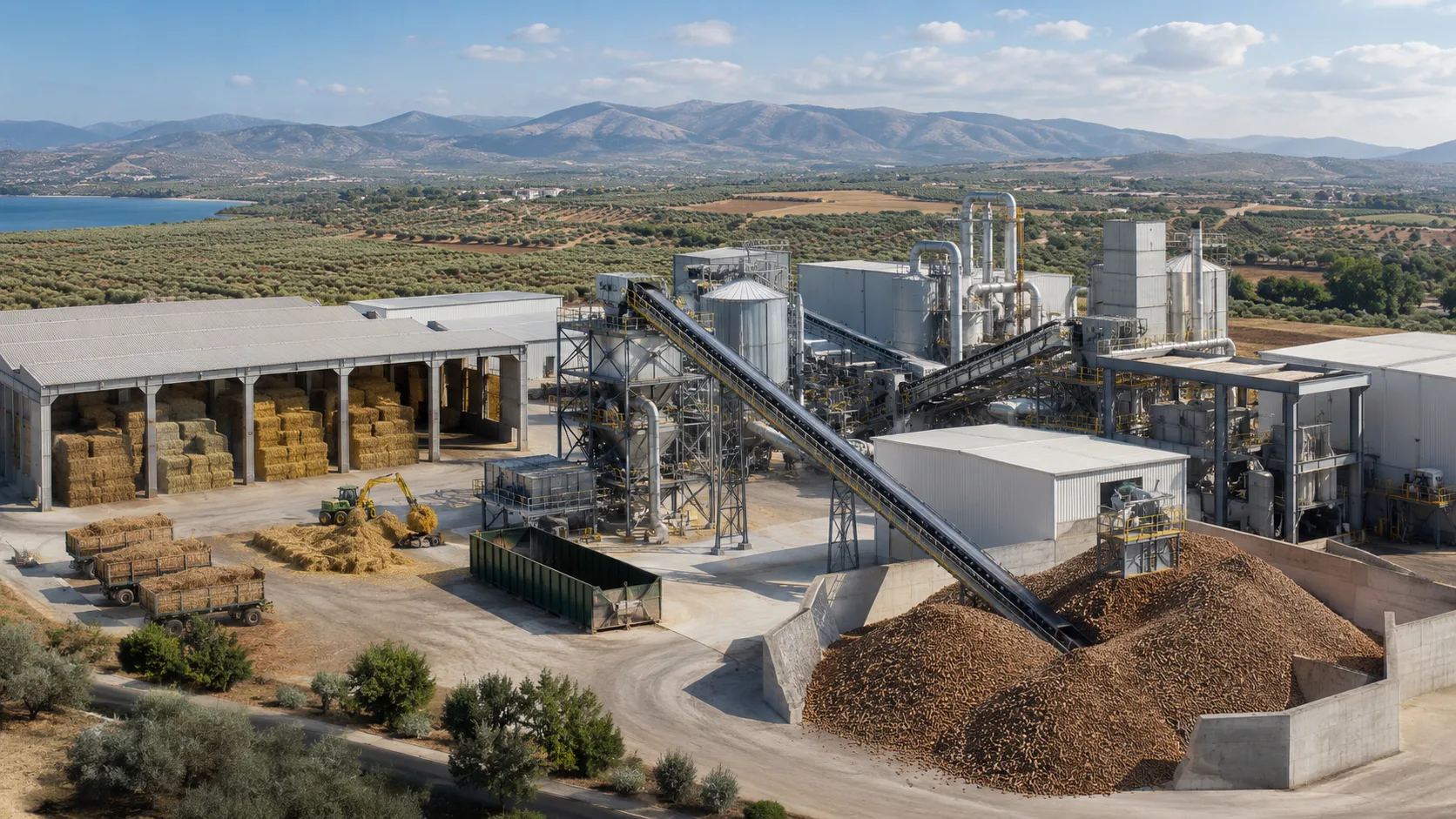
Regional BioHubs — infrastructure sized to aggregated supply and contracted demand
Have a concept that needs to become bankable?
Bring the resource, the technology or the ambition. RETEDI structures the feasibility, the model and the financing pathway.